


Why Siding
Siding is your home’s first line of defense against damaging weather and pests. it’s also one of the most visible parts of your house, so when it fails to do its job, it fails to look the part.
Replacing old siding can seem like a big undertaking, but fortunately, many homeowners only have to do it once. That makes it even more important to do it right the first time, and to address the project before it can lead to other expensive repairs .
If it’s time to replace your siding, consider using a material that’s durable and long-lasting. Alpine Exteriors offer a variety of siding options and styles such as hardie® fiber cement, LP smart side, vinyl (recommend insulated top quality), stucco, soffit and fascia, composite cladding, and other specialty siding options. We can help you explore the options to find the best product for your home and budget.
FIBER CEMENT SIDING
James Hardie is a brand name for the fiber cement siding that is produced by James Hardie building products. It is made up of Portland cement, ground sand, cellulose fiber, and other additives.
This siding can give the look of clapboard and stucco depending upon the texture used. However, it is more durable and fire-resistant. It is costlier than vinyl, but it is less costly than others and requires less maintenance than traditional wood siding.
LP SMART SIDE
For Exterior Siding that stands up to the elements and lasts for decades, ask Alpine Exteriors about LP smart side. This unique durable engineered wood siding requires very little maintenance and can provide the wood look you’ve been after. You’ll be able to breathe easily whether the forecast calls for rain, snow, sun or even hail.
Features & Benefits of LP Smart-side Siding
Locks out moisture and resists the build-up of dirt and grime each plank is cured and cooled for a scratch-resistant finish
COMPOSITE CLADDING SIDING
Alpine Exteriors offer residential composite cladding siding. Composite cladding is a first-of-its-kind siding that combines beauty, performance, and easy installation for the best overall value on the market.
With tall exposures and the deeply grained look of real wood, composite siding is available in 20 colors and captures the high-end aesthetics today’s homeowner’s demand. keeping that just-installed look for as long as it’s up, and requires minimal maintenance, day after day, year after year.
Features & Benefits of composite cladding siding
VINYL SIDING
Alpine Exteriors offer residential insulated vinyl siding. Residential vinyl siding is used mainly for decoration and waterproofing purposes and is a reliable alternative to conventional wood siding or other siding materials. It is an amalgamated product result of meticulous engineering and it is manufactured from PVC (polyvinyl chloride) and thus is called vinyl siding.
Features & Benefits of vinyl siding

Cost savings
Alpine Exteriors siding costs less than other companies with options that do not attract pests and is water resistant to protect against swelling, cracking, and buckling—buying you more mileage for your dollar.

Climate specificity
Alpine Exteriors will find a climate® siding and trim product that will help you feel confident that you get the best performance for your region.

Color that lasts
Alpine Exteriors offer color options with greater resistance to fading, chipping, and cracking, meaning less maintenance for you.

Lower insurance
Alpine Exteriors have options that are non-combustible and hail-damage resistant, which can sometimes help reduce home insurance premiums. ask your agent.

Great Warranties
Alpine Exteriors have a range of siding products that come with a lifetime non-prorated warranty.

Fire protection
Alpine Exteriors offer products that are non-combustible and will not ignite when exposed to a direct flame, nor will it contribute fuel to a fire.
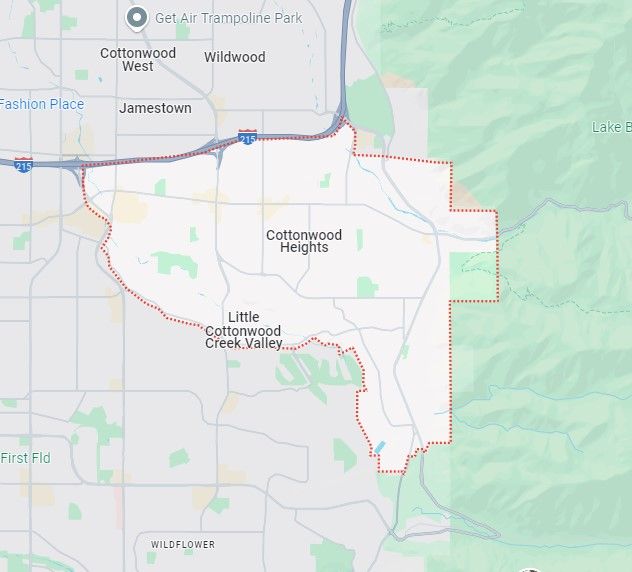
Nestled between Big and Little Cottonwood Canyons, Cottonwood Heights experiences high UV, canyon winds, blowing snow, and rapid freeze–thaw cycles. Those conditions expose weaknesses in dated cladding, sloppy flashing, and under-ventilated assemblies. Alpine Exteriors LLC designs and installs canyon-ready siding systems—fiber-cement, premium vinyl, and engineered wood/composites—over drainable, flashed-to-spec wall assemblies so your home looks refined, runs quieter, and stays protected year-round.
Fiber-cement thrives along the Wasatch Front: it resists fire, rot, insects, and warping, and holds paint exceptionally well. Factory color finishes deliver fade resistance under bright UV, reducing maintenance. Choose smooth lap for modern lines, wood-grain lap for classic warmth, and board-and-batten or staggered shakes to highlight gables and entries. We pair fiber-cement with corrosion-resistant fasteners and manufacturer-specified sealants to keep reveals crisp.
Best for: Long-term ownership, upscale curb appeal, low maintenance.
Today’s thicker-gauge vinyl resists chalking and deformation and ships with improved pigments that keep color true in high UV. Insulated vinyl adds R-value and reduces outside noise—useful near Wasatch Blvd. Profiles range from classic lap to vertical panels for a clean farmhouse-modern look.
Best for: Budget efficiency, quick installs, minimal upkeep.
Engineered wood provides real-wood character with moisture-resistant binders and factory priming. Installed over a rainscreen with correct flashing, it performs for years with rich texture—ideal for gables, feature walls, and mixed-material façades (e.g., stone + shake, metal + lap) that read mountain-modern.
Best for: Design flexibility, natural-look finishes, high perceived value.
Beautiful cladding lasts only as long as the assembly behind it. We build exteriors that breathe and shed water:
Depth sells. Use horizontal lap on main fields, vertical board-and-batten or shake on gables, and 5/4 trim to sharpen edges and frame openings. Vented soffit improves attic airflow, reducing ice-dam risk; metal fascia protects rafter tails and cleans the roof edge.
Cottonwood Heights’ bright sun and winter snow favor mid-to-deep neutrals (charcoal, pewter, warm taupe, cedar tones) and desaturated blues/greens—paired with crisp whites or natural wood accents. We place full-size samples on your elevation so you can compare hues in morning vs. late-day light and against winter snow before ordering. Factory finishes with fade-resistant coatings keep maintenance low.
Powder-coated metals, fiber-cement trim, engineered-wood shakes, and stone pair well here, creating a timeless mountain-modern palette that stays low-maintenance and buyer-friendly.
Pair your siding project with insulated sheathing, balanced attic ventilation, and high-performance windows to cut drafts and noise and stabilize indoor temperatures. Many clients in Cottonwood Heights report quieter interiors and lower energy use after a proper envelope upgrade—especially noticeable during canyon wind events and cold snaps.
We don't do spot repairs, single-window swaps or one-wall siding patches. Every project we take on in Cottonwood Heights is a full replacement: every window in the home, the siding on every side of the house, or a complete roof tear-off. Partial work leaves new and old materials aging side by side, and it rarely fixes the problem that made you call in the first place. If your home has hail or wind damage, we'll look at the whole exterior with you and tell you honestly whether a full replacement makes sense.
We come to your home in Cottonwood Heights with product samples, measure the whole project and walk you through pricing options and recommendations, with no high-pressure sales. Your proposal is grouped by product, so you can compare window, siding and roofing options side by side and choose what fits your home and budget.
Request your free assessment →
We’ll bring samples, compare looks and budgets, and map a schedule that respects your timeline and any HOA requirements. Expect tidy work, consistent communication, and results that handle Cottonwood Heights’ toughest seasons.
Q1: Which siding handles canyon winds and high UV best?
A: Fiber-cement and thicker-gauge, wind-rated vinyl excel when installed to spec with correct fasteners, starters, and clearances. Engineered wood also performs well over a rainscreen with proper flashing and finish. We’ll recommend the best fit after assessing exposure, architecture, and budget.
Q2: Can you coordinate HOA submissions and provide samples?
A: Yes. We supply color/profile boards, elevation mockups, product data sheets, and installer credentials to streamline HOA approvals and speed sign-off.
Q3: How long will my project take?
A: Most single-family homes complete in 7–14 working days, depending on scope, weather, and custom details (multiple gables, shakes, metal trims). You’ll receive a day-by-day plan and consistent status updates.